
I just have to do a bit of a write-up on my thoughts about Final Fantasy VI, because it’s just too much fun not to. It’s now been over 32 years since this iconic game was released—April 2, 1994 in Japan and October 11, 1994 here in the States. The game is unique not just for its music and its visual quality from the time, but the way it blended together Eastern and Western themes so seamlessly and in a way that inspired all future titles in the franchise going forward. The goal was to produce a globally appealing game, which was successful—it was their best selling mainline Final Fantasy title at the time, eventually selling over three million copies. Here’s how it stacks up next to other titles in the series:

The main thematic difference between Final Fantasy VI and all the mainline titles that came before it was venturing beyond the pure Dungeons & Dragons, Ultima, or Tolkienesque fantasy setting, characters, and concepts. At the time that FFVI was being developed, the best-established computer game RPG series would have been Ultima, where the party and theme generally looks like this:
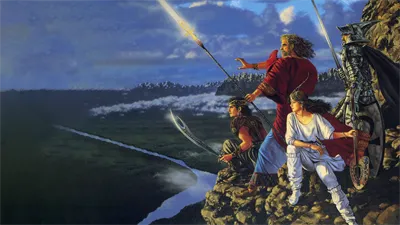
It’s high fantasy and Tolkienesque. Final Fantasy V (1992) essentially falls into this format, but with Chocobos (cute birds) and monster/boss designs more suited to Japanese audiences and vaguely inspired from Japanese folklore. The basic concept of going across a medieval landscape from castle to village to dungeon and wash, rinse, repeat was still present. Yes, there were airships and the hint of magical machinery, but in essence it was still similar to all the Ultima titles, which were in turn similar to D&D themes and settings from the 80s.
In Final Fantasy VI, there’s still that basic concept of earlier Final Fantasy games and Ultima providing the basic framework, but it went with a different time, cultural, and technology setting; the Victorian era. This opens up a huge window for the introduction of European themes and artwork throughout the game, something which wasn’t really present in Final Fantasy V. In fact, there are three main European artistic and design themes present in the game—Victorian England (1837–1901), the golden age of Venetian opera (1637–1678), and the initial industrialization period of Germany (1815–1835). These threads are blended together with high fantasy and Japanese folklore elements to create the thematic backdrop of the aesthetics of the game.